Why Is It Called Fairhope? The Town’s History and What It’s Known For
What is Fairhope, Alabama, known for? Mobile Bay views, its pier, flower-filled streets, art and an unusual founding story. Fairhope began in 1894 as the Fairhope Single Tax Colony, and its founders picked the name because they believed their plan had a “fair hope” of succeeding. Here’s the short version of Fairhope history for Thanksgiving visitors, checked against the City of Fairhope, the Encyclopedia of Alabama and the Fairhope Single Tax Corporation.
Fairhope history at a glance
- Founded: 1894, as a model “single tax” colony. The founders arrived Nov. 15, 1894, which the City calls Round-Up Day.
- The name: From the hope that the plan had a “fair hope” of succeeding.
- Town incorporated: 1908.
- The colony today: The Fairhope Single Tax Corporation still owns about 4,500 acres, roughly 25% of Fairhope, per the corporation.
- Last verified: Nov. 24, 2026.
Get the weekend guide
Every Thursday, a short email with the best things happening in Fairhope and Point Clear. Free.
Why is it called Fairhope?
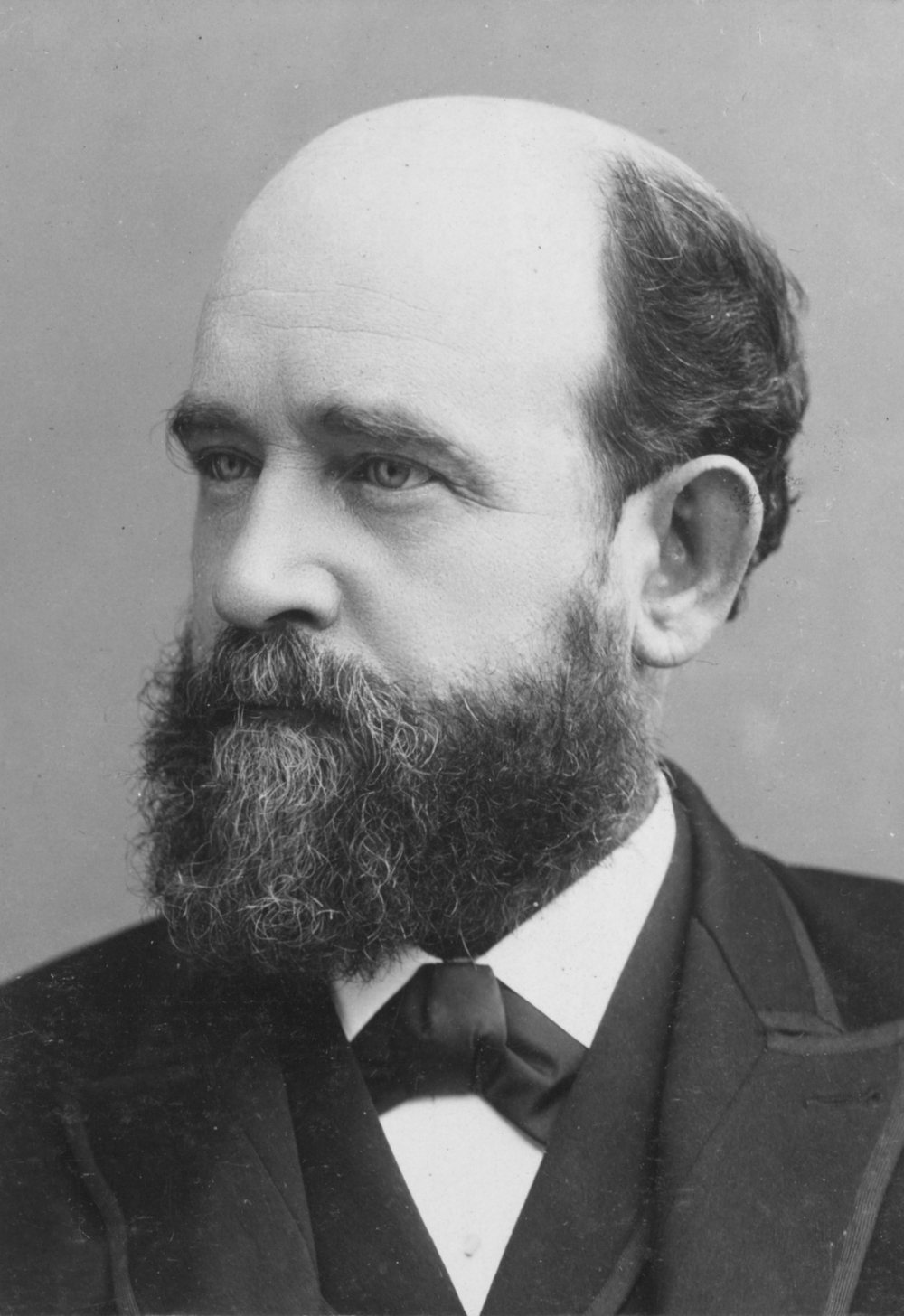
Fairhope’s founders, reformers from Iowa led by journalist Ernest B. Gaston, followed Henry George, author of Progress and Poverty (1879). George argued that the community creates land value, so government should raise its money from a single tax on land. Fairhope would demonstrate it.
The City of Fairhope’s history page says the founders “thought using the Single Tax plan would give them at least a fair hope of succeeding.” The Encyclopedia of Alabama says the members chose the name when “one of their number remarked that they had a ‘fair hope’ of succeeding.” Neither names who said it.
The Fairhope Single Tax Colony, then and now
Gaston called it “cooperative individualism.” After scouting several Southern states, the group of 19 adults and nine children settled on the bluff above Mobile Bay, where, the City says, they bought clear-cut land for $5.50 an acre.
Instead of selling lots, the colony issued 99-year leases; lessees paid rent based on land value, and the colony paid their property taxes. It started as the Fairhope Industrial Association and became the Fairhope Single Tax Corporation in 1904.
The corporation is still a private nonprofit, separate from the City. Lessees own their homes but lease the land, and part of their rent, a “demonstration fee,” funds community projects such as parks and the library. On Nov. 19, 2026, the City named the corporation the special guest at the Lighting of the Trees.
A short Fairhope history timeline
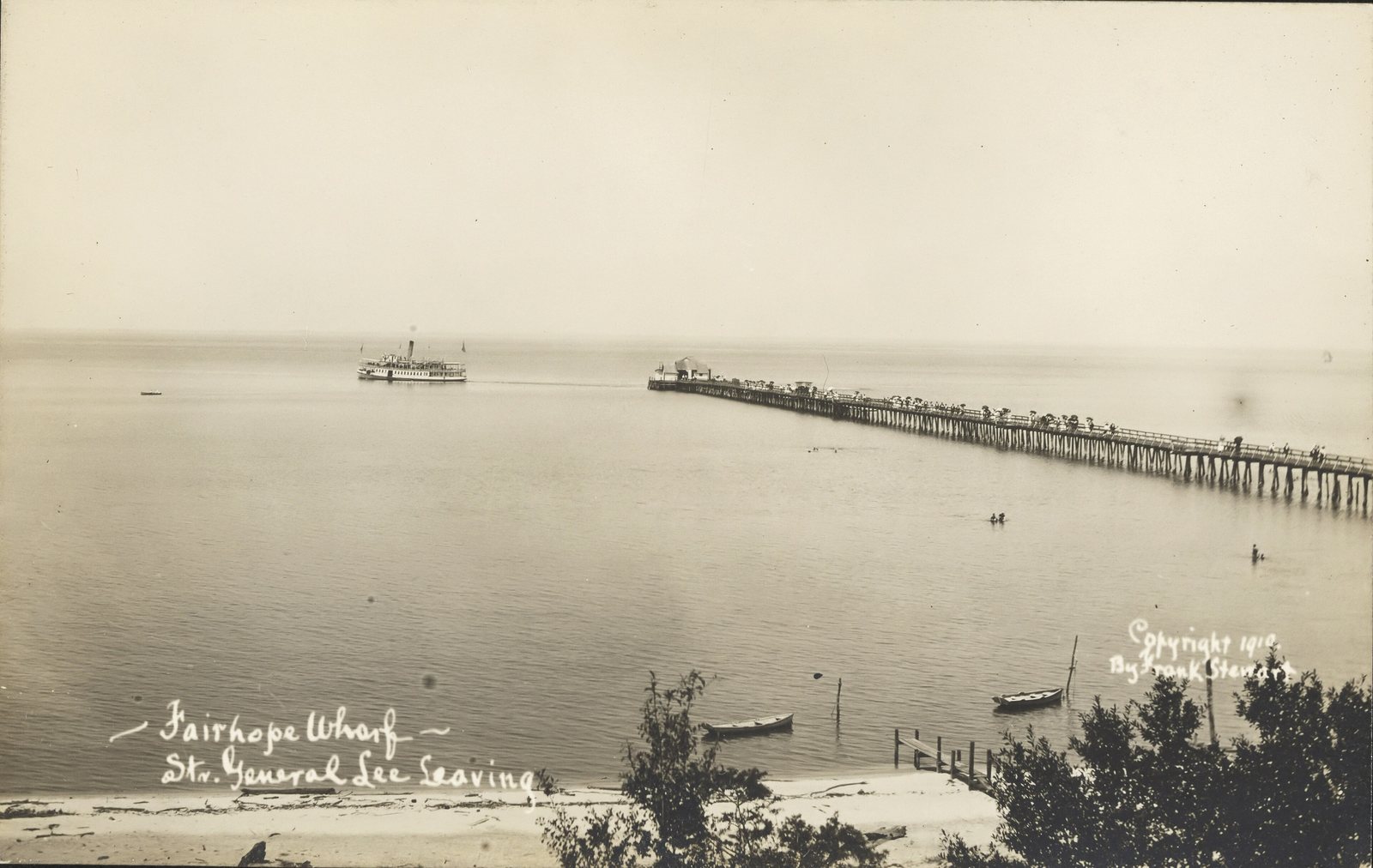
- 1894: The colony arrives on Nov. 15. The town’s original commercial pier, on the site of today’s Municipal Pier, dates to 1894.
- 1904: The Fairhope Industrial Association becomes the Fairhope Single Tax Corporation.
- 1907: Marietta Johnson founds the School of Organic Education.
- 1908: The Town of Fairhope is incorporated. The Encyclopedia of Alabama puts the population at 569; the City says about 500.
- 1930s: The City becomes caretaker of the beachfront park, bluff parks, Henry George Park, Knoll Park and the pier, all gifts of the colony.
- 1953: The first Arts & Crafts Festival runs Feb. 22 to 28, as exhibits in shop windows.
The Organic School and a reformer’s reputation
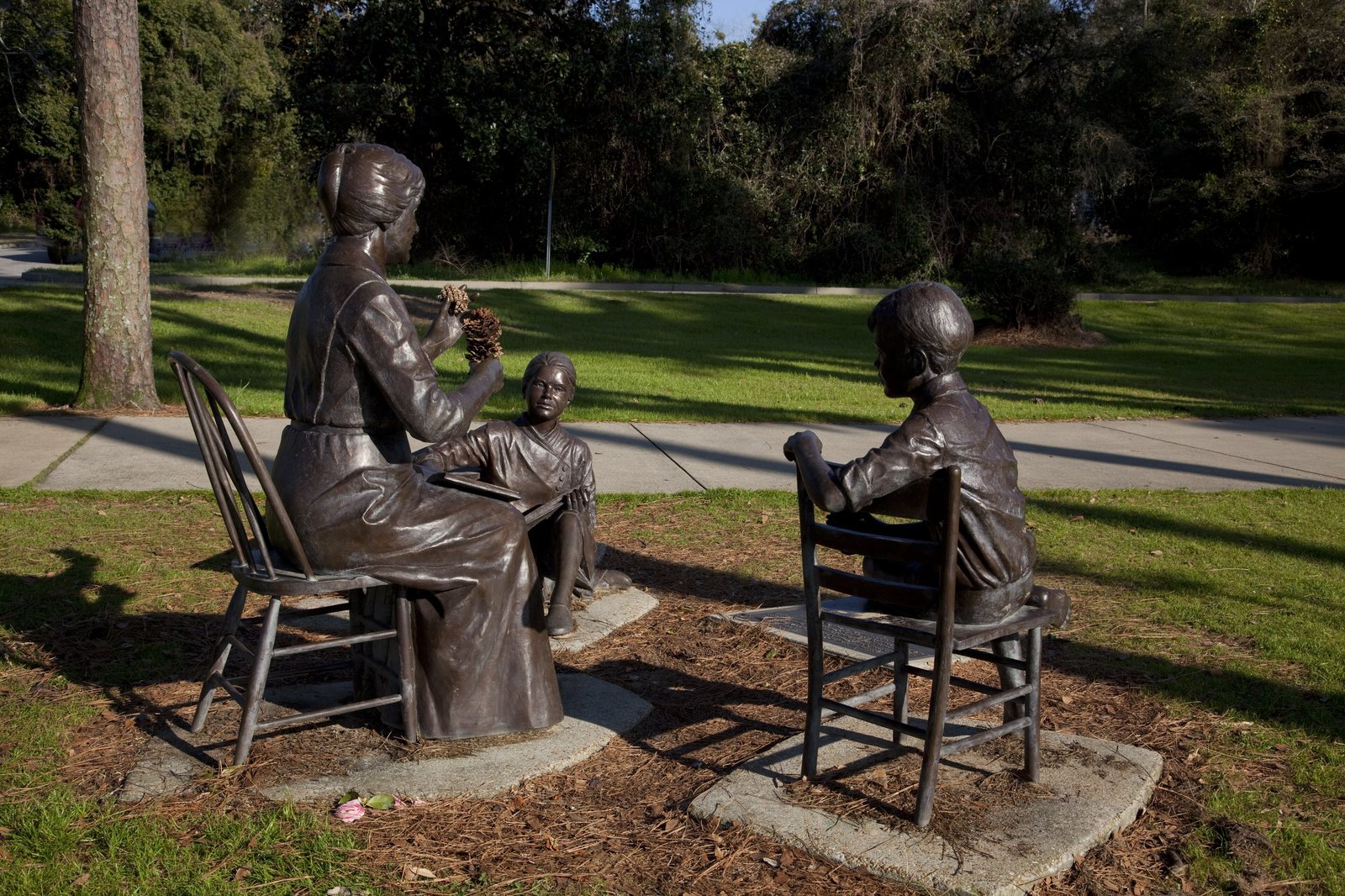
In 1907, Marietta Johnson opened the School of Organic Education in a small cottage on Church Street. It was free to local children and gave no tests or grades. John Dewey visited in 1913 and praised it.
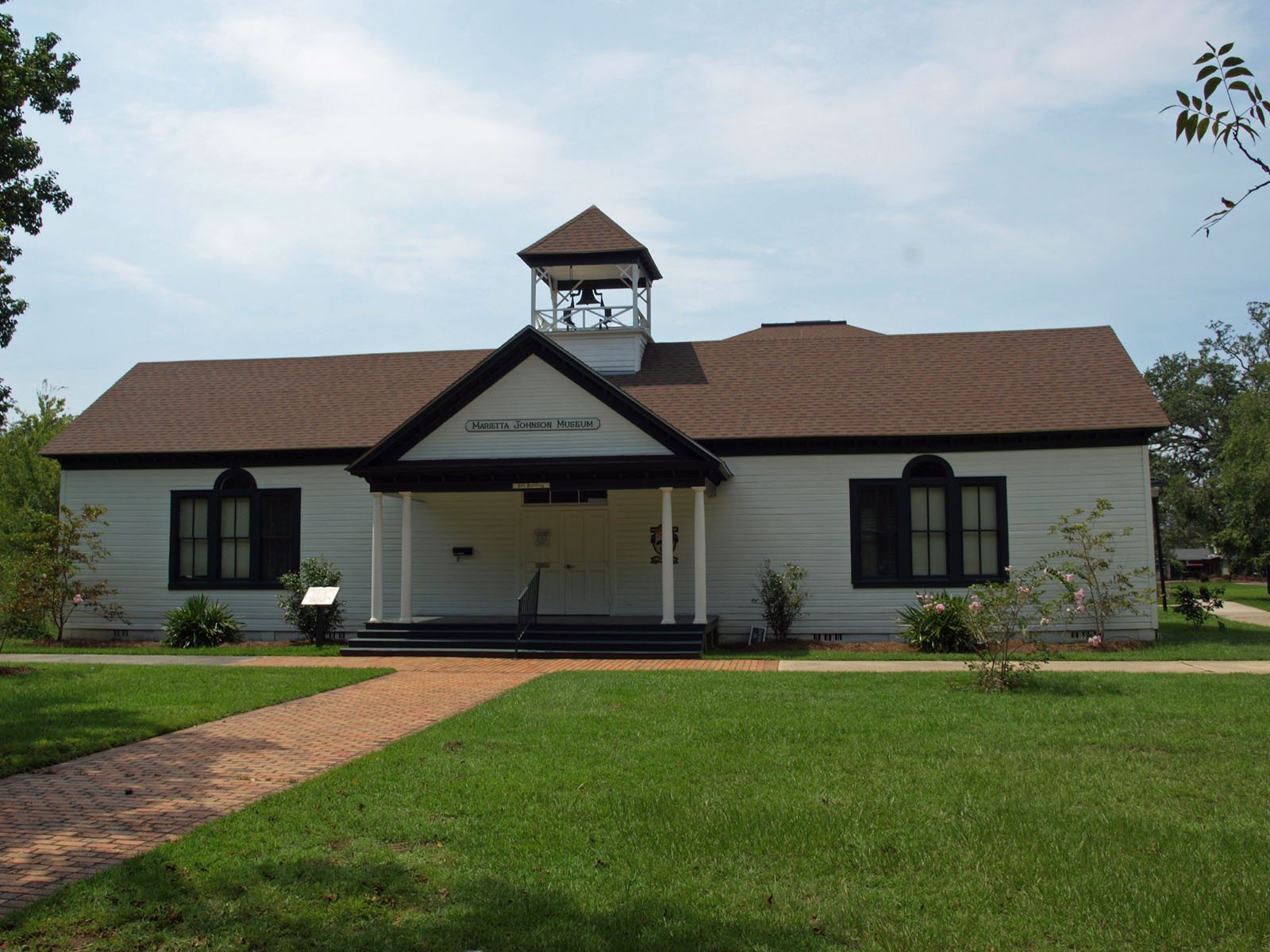
The Encyclopedia of Alabama notes the limits: the colony and school were segregated, open to white residents only. The school still operates, and the Marietta Johnson Museum is in the original schoolhouse at 10 S. School St.
What is Fairhope, Alabama known for today?
The Encyclopedia of Alabama quotes the town’s own pitch: “best known for its romantic, sweeping views of Mobile Bay and the storybook charm of its shops and flowers.” What we verified, in no particular order:
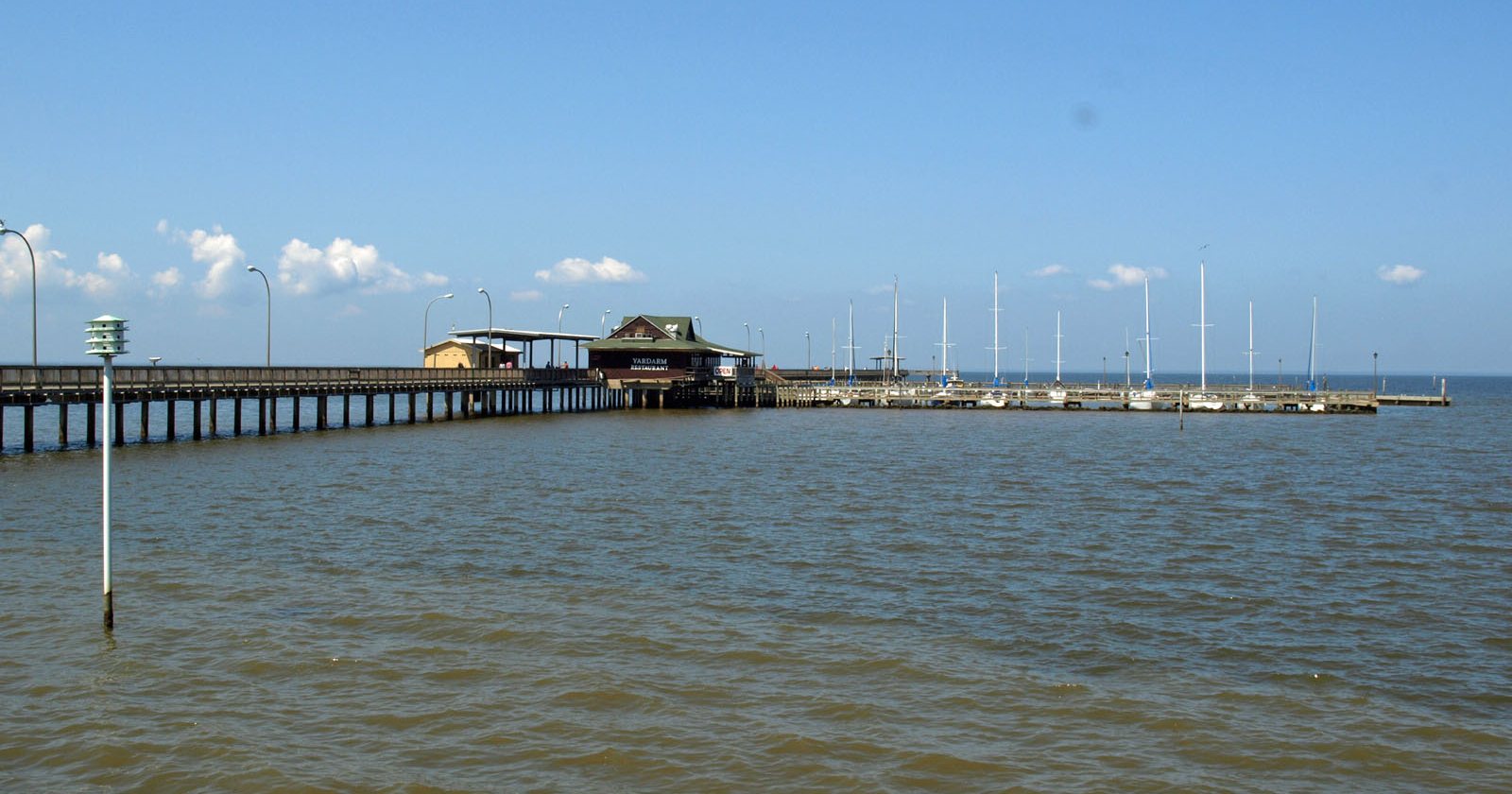
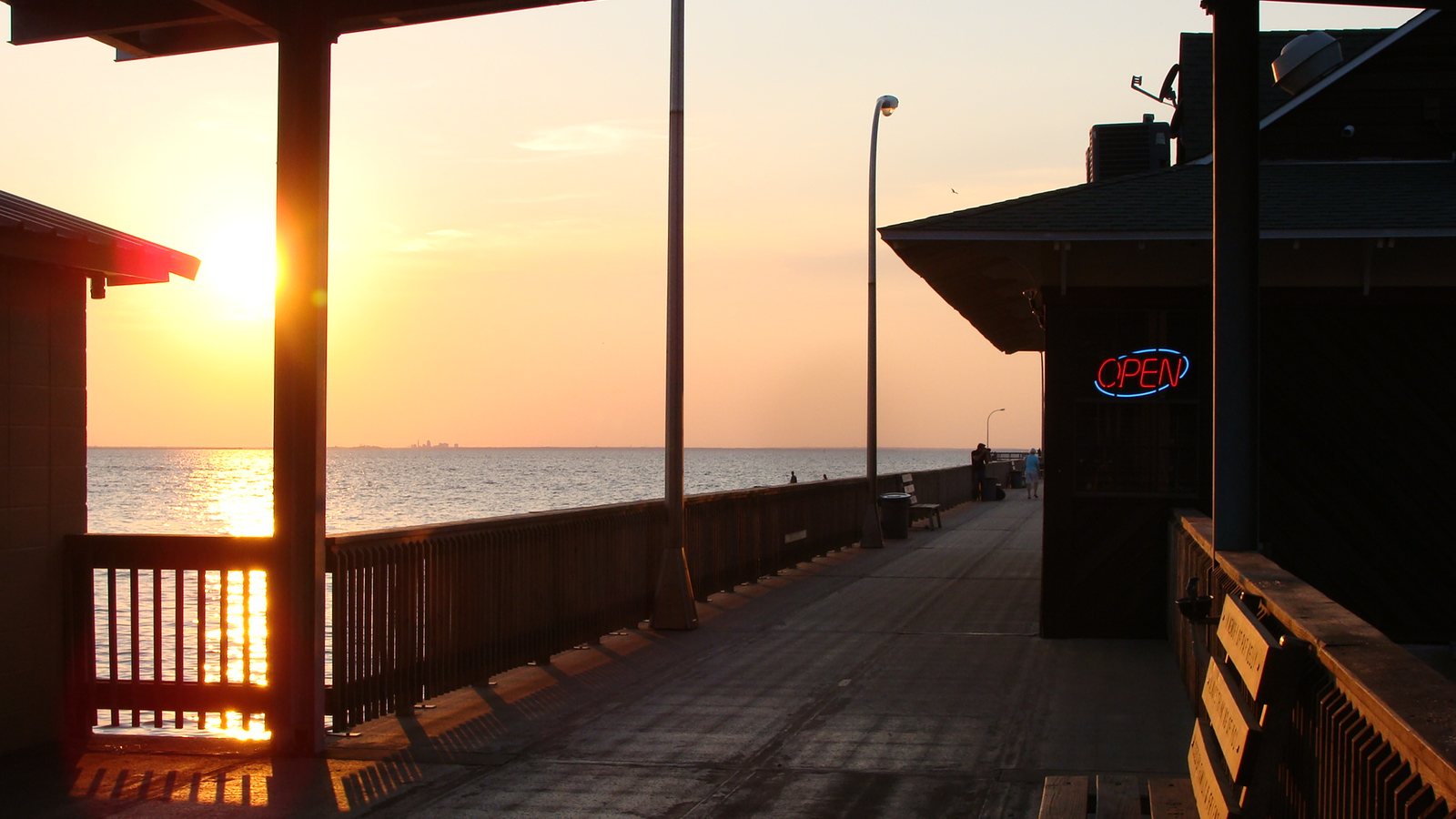
- Mobile Bay and the pier. The City calls the Municipal Pier, at the west end of Fairhope Avenue, the town’s “town square.” See our Fairhope pier guide and where to watch the sunset.
- Flowers. In 1983 the City hired Tim Kant as Alabama’s first municipal horticulturist, and by 1985 it was growing its own flowers for the beds.
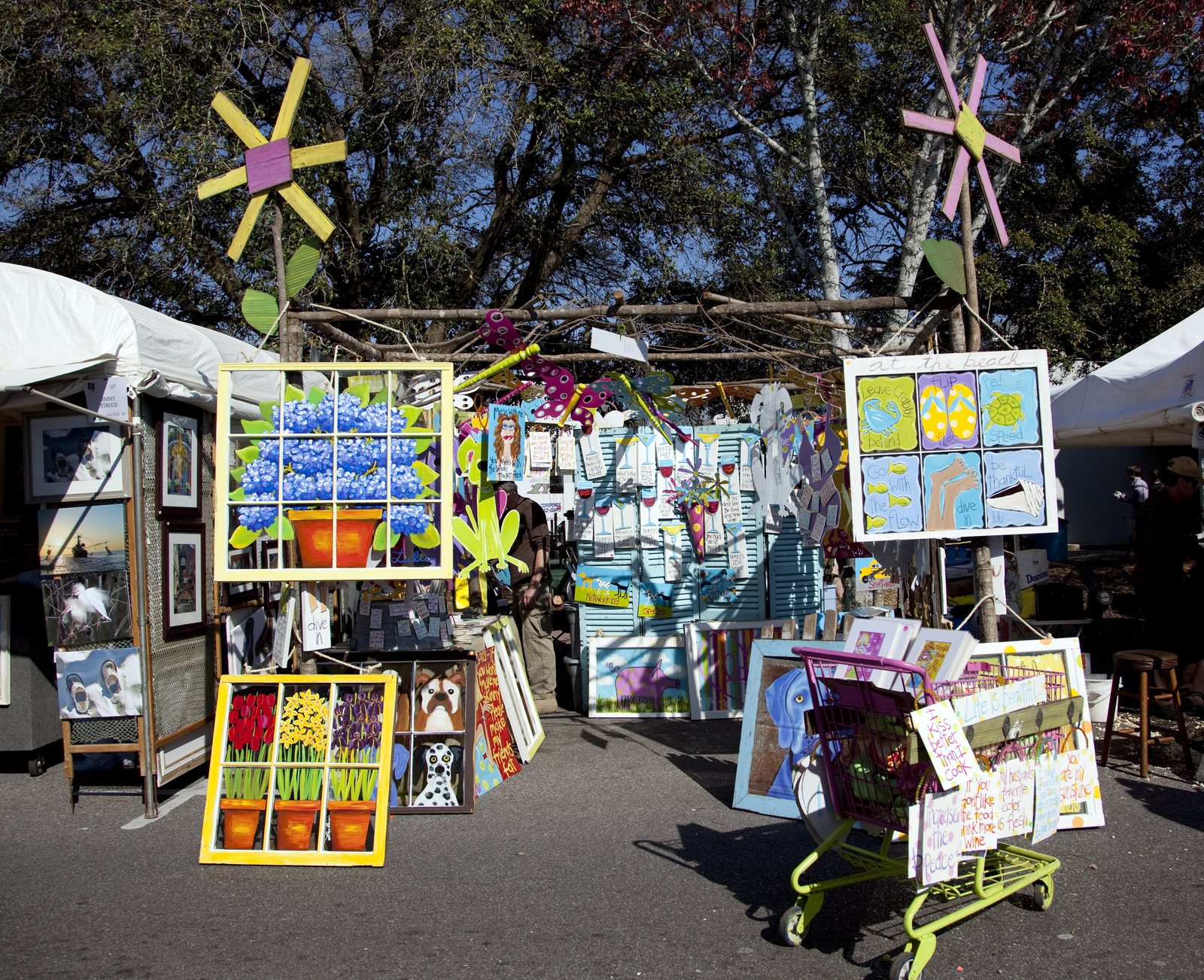
- Art. Artists, writers and craftsmen have long found Fairhope inspiring, the City says. The Arts & Crafts Festival returns March 19 to 21, 2027.
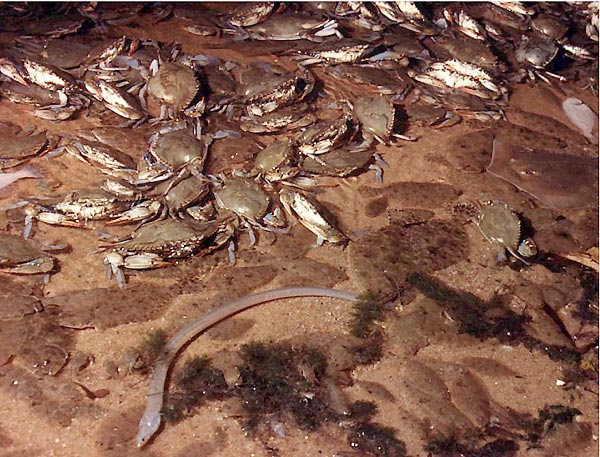
- Jubilees. On some summer mornings, low oxygen pushes crabs, flounder and shrimp onto the Eastern Shore. Read what a jubilee is.
See Fairhope’s history in person
Start at the Fairhope Museum of History, 24 N. Section St., in the circa 1928 Spanish mission-style building that once served as City Hall. It’s free and open Tuesday through Saturday, 9 a.m. to 5 p.m., with exhibits on the founders, the Single Tax and the Jubilee. City staff have Nov. 26 and 27 off for Thanksgiving, and the city-run museum hadn’t posted holiday hours, so call 251-929-1471 first.
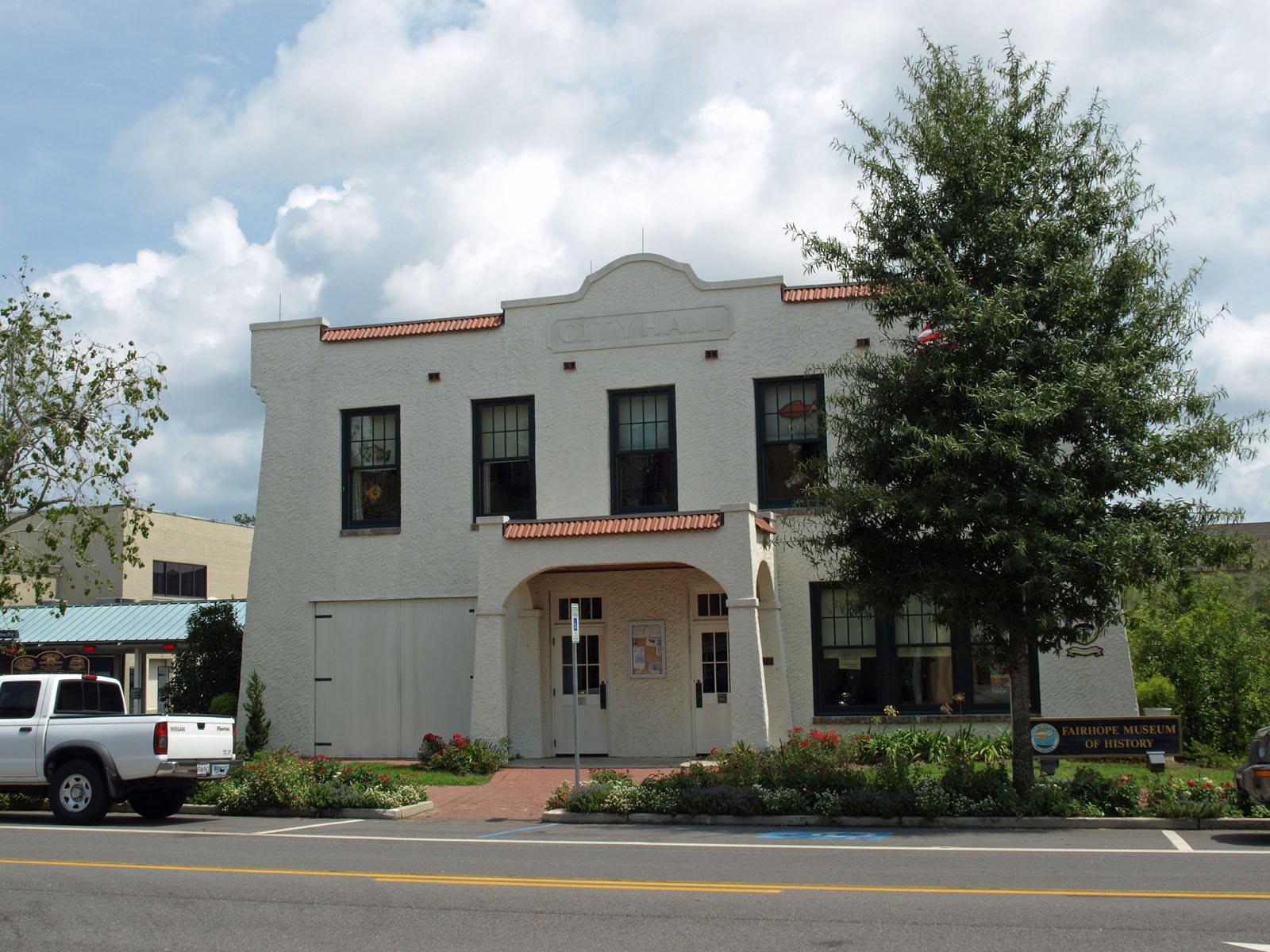
Then walk west on Fairhope Avenue to the colony’s bluff parks and pier. See our one-day itinerary and things to do in Fairhope. Moving here? Our newcomer’s guide explains Single Tax leasehold land. Staying through December? See the Christmas in Fairhope 2026 calendar.
FAQ: Fairhope history
Why is Fairhope called Fairhope?
The founders believed their Single Tax plan had a “fair hope” of succeeding, according to the City of Fairhope and the Encyclopedia of Alabama. Neither source names who first said it.
When was Fairhope, Alabama, founded?
The colony was founded in 1894. Its founding party arrived on the eastern shore of Mobile Bay on Nov. 15, 1894, a date the City calls Round-Up Day. The Town of Fairhope was incorporated in 1908.
What is the Fairhope Single Tax Colony?
A colony founded to test Henry George’s single tax. Today the Fairhope Single Tax Corporation, a private nonprofit, owns about 4,500 acres, roughly a quarter of Fairhope, and leases it on 99-year leases.
What is Fairhope, Alabama, known for?
Views of Mobile Bay and the Municipal Pier, flower-lined downtown streets, art and the Arts & Crafts Festival, Mobile Bay jubilees, and its history as a single tax colony and home of Marietta Johnson’s Organic School.
Sources: City of Fairhope (History, Fairhope Museum of History, Community Parks & Trails, Horticulture & Landscape, Jubilee Information, Lighting of the Trees release of Nov. 12, 2026); Encyclopedia of Alabama (“Fairhope” by Paul M. Gaston, and “Marietta Johnson School of Organic Education”); Fairhope Single Tax Corporation FAQ; Fairhope Arts & Crafts Festival; Library of Congress (photos). Checked Nov. 24, 2026. Questions or corrections? Email hello@aroundfairhope.com.